
Photo: Supplied / Google Maps
It is not surprising that a supermarket that was testing facial recognition technology wrongly identified a Maori woman as a shoplifter, say Maori data and artificial intelligence experts.
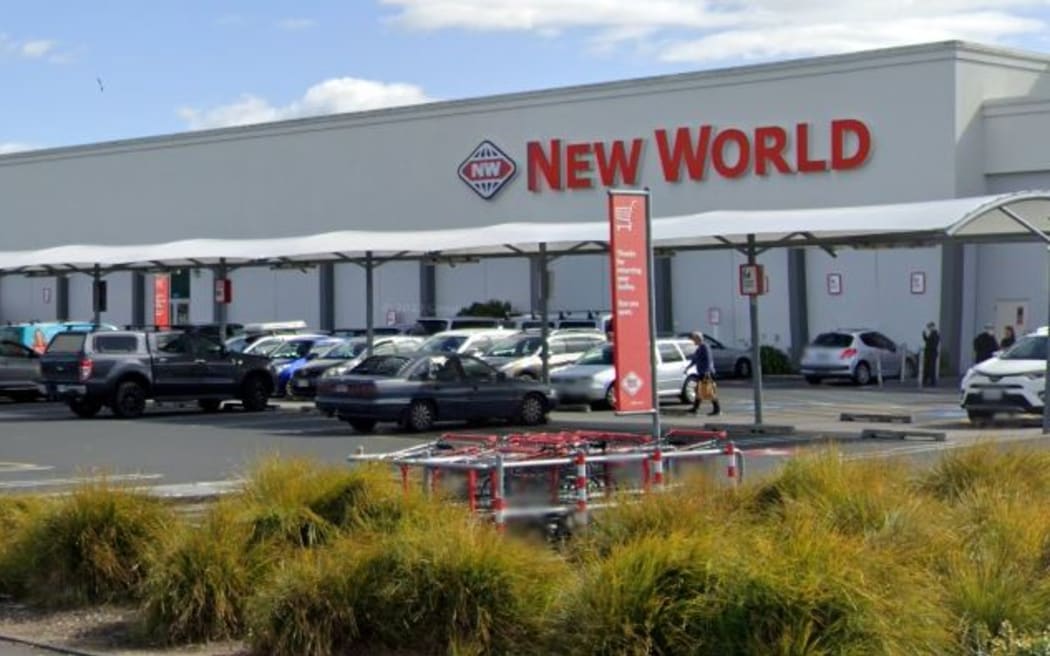
The woman was shopping at New World in Rotorua, one of 25 Foodstuffs supermarkets in the North Island that were trialling the technology, when two staff members approached her and asked her to leave the store.
The technology scans customers’ faces and compares images to those in the store’s databases of known criminals or suspects.
Māori AI and data ethicist Karaitiana Taiuru were not surprised to see Māori singled out in the trial and believed there were other Māori who had been affected but had not yet come forward.
*If you are Māori and have been affected by facial recognition testing, please contact: Temanukorihi@rnz.co.nz
The systems Foodstuffs was using were trained on an international data set of people and not people in the New Zealand context, he said.
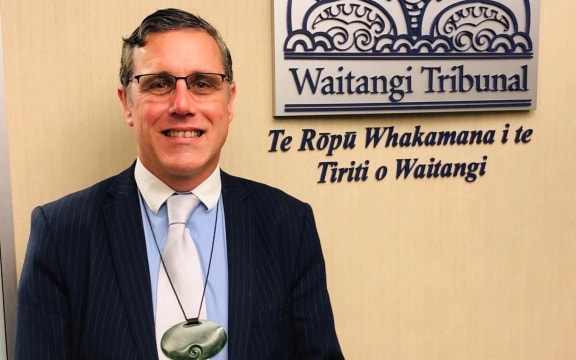
Christian Taiuru, Māori AI and data ethicist.
Photo: Supplied
“We know from international data and research that the systems are based on European-looking men, so only in recent years has the system been modified to consider people of color, women, men with beards, etc.
“Anyone who is Māori, Pasifika or colored will not be recognized by the system. That is why it is important that we have humans reviewing the system, which in this case it failed.”
The woman was invaded at the Rotorua supermarket despite offering three forms of photo identification to staff.
Taiuru said humans manually checking positive matches from facial recognition technologies are often still relying on artificial intelligence and not their own common sense.
“It’s a phenomenon identified in the United States, where staff trust AI more than their own personal judgment. So regardless of how obvious a discrepancy is, humans still rely on AI to be right,” said.
This bias could be reduced with proper training of staff, which will need to be tailored to the New Zealand population, he said.
Taiuru said as far as he knew there was no innovative training available in New Zealand yet.
If facial recognition technology misidentifies you, it is best to complain to the organization using it or to the Privacy Commissioner, he said.
Figure NZ chief executive Ngapera Riley was from Rotorua and said it was outrageous to see Māori being profiled.
It was a clear example of why facial recognition technology may not be reliable at this stage, Riley said.
“I’m not surprised this has happened in Rotorua with testing in supermarkets, but these supermarkets have a lot of money and access to resources so they really should do a better job of preventing these situations from happening,” he said.
It was a bad look when something like this happened in an area with a high Maori population like Rotorua, he said.
Biometrics had both beneficial and worrying elements and Riley said he understood why supermarkets and retailers were interested in the technology.
“The reason supermarkets and retailers are implementing this technology is because they have a huge increase in crime and their staff are attacked while doing their jobs… so they are wondering if these new technologies can help them with that.”
The Privacy Commissioner’s office was asking the public to weigh in on a draft biometric code of practice.
New Zealand currently had no special rules for biometrics.
Riley said the biometric data included fingerprints, face, voice, iris, palm and hand technology.
“It can also include things like keystroke patterns and the way someone walks.”
The fact that the Privacy Commissioner was creating a code of practice meant the matter was being taken seriously, he said.
#Maori #woman #mistaken #shoplifter #supermarket #surprising #experts