

Photo: Bogdan Popa/autoevolution
Microsoft’s farewell to the world of mobile operating systems and the withdrawal of Windows Mobile left us with two big names controlling the market. Android and iOS dominate the mobile race, so customers considering a new phone must choose between the two.
The Android device ecosystem comprises several big names, starting with the leader Samsung and continuing with other big names such as Xiaomi and Google, while Apple is alone in this fight. Still, Apple has done a great job keeping up with Android sales, which is why it’s often number one or second in the mobile race.
However, new data from IDC shows that 2024 will be the year of Android.
The latest statistics show that Apple has already lost 10% in smartphone sales in the last quarter, and the company is struggling in China due to factors such as nationalism and increased competition. This means that Chinese buyers no longer buy an iPhone because they want to support domestic brands, but also because Apple’s rivals already offer solid products.
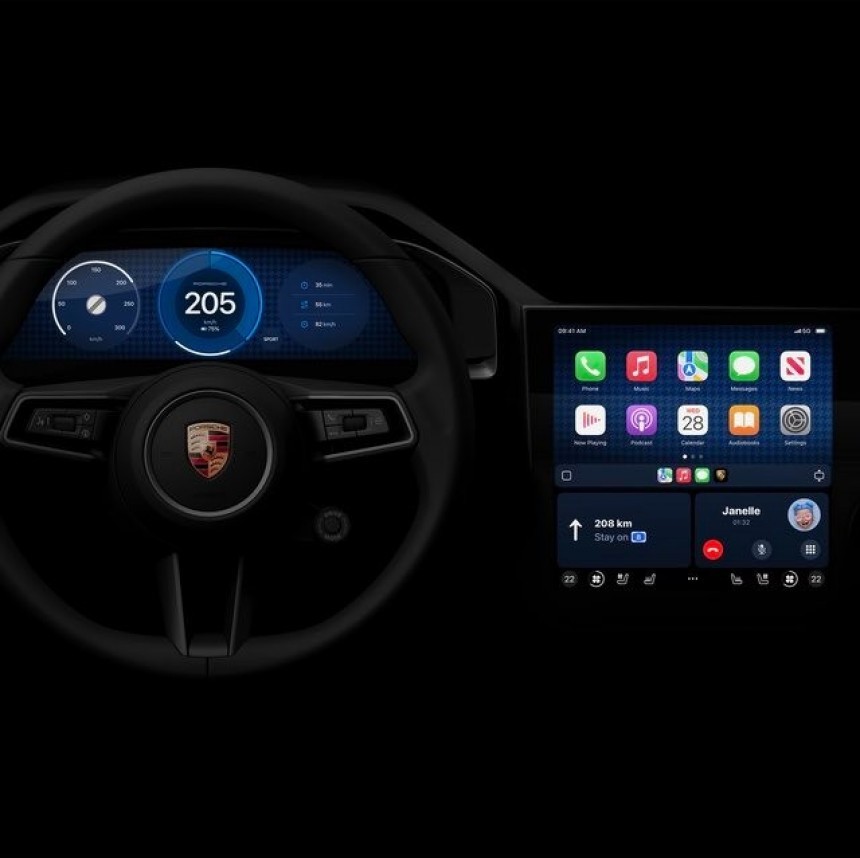
Photo: Porsche
Samsung’s market share last quarter was 20.8% thanks to 60.1 million smartphones sold to customers worldwide, while Apple came in second with 17.3% and 50.1 million Of units. Xiaomi took third place with 14.1%.
IDC figures suggest Android will dominate the mobile space this year, as Google’s operating system will “grow at twice the rate of iOS.” One reason is that iPhones have dominated the battle in recent years, so Android now has more room to grow and regain lost market share points.
The mobile market is already saturated, and taking into account that everyone has a phone, the growing sales of one or the other revolve around the transition that occurs between both platforms. Android users switch to iPhone and iOS users switch to Android, so growing market share comes down to each company’s ability to convince the other party to join it.
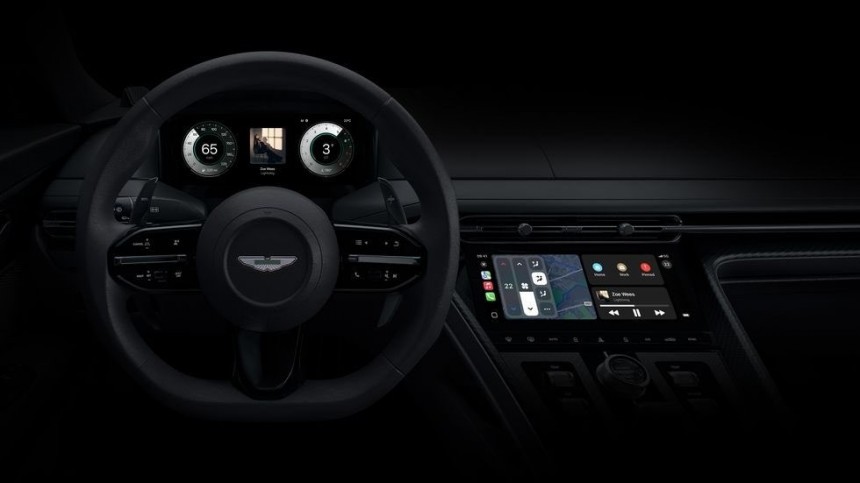
Photo: Aston Martin
With Android adoption expected to skyrocket this year, what does this mean for Android Auto and CarPlay?
This could be a fantastic opportunity for Android Auto to grow unless Apple acts urgently. And the iPhone maker can’t afford not to, as its strategy has already hit a roadblock on multiple fronts.
Apple recently abandoned the Apple Car, giving up on a project that received $10 billion for nearly a decade of hard work behind closed doors. With the Apple Car abandoned, the only way for Apple to expand in the automotive space is software. Apple’s in-car software comprises Apple Maps and CarPlay, the latter powered directly by an iPhone, similar to Android Auto and an Android device.
Apple has long boasted about CarPlay’s high adoption numbers, claiming that customers now consider its system a must-have feature in new cars. He says almost 80% of new car buyers in the US want CarPlay. Otherwise, they’re ready to switch models or brands until they find one with CarPlay.
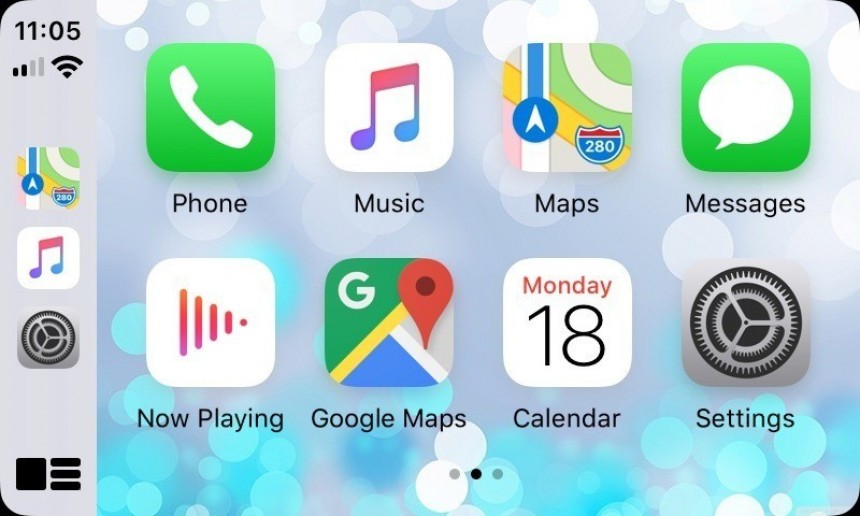
Photo: Packix
However, the same reasons that affected its sales in China could also affect its sales worldwide. Increased competition, with more Android devices offering innovative capabilities, could hurt Apple in all markets and ultimately affect CarPlay adoption.
Apple still hopes CarPlay will continue to be a catalyst for people to join its ecosystem. However, CarPlay seems outdated, as it has barely received any updates in recent years. A next-generation version is already on the radar, but it will require new hardware (a new car) and its adoption is significantly below expectations. Only two automakers confirmed the adoption of CarPlay 2.0 despite Apple announcing it two years ago.
With 2024 set to become the year of Android, Google should be more committed than ever to improving Android Auto. It’s no secret that Apple users are very loyal to the brand, so convincing a CarPlay user to switch to Android Auto will be difficult. Google must find a way to highlight Android Auto’s core capabilities, improve its reliability, and demonstrate to CarPlay users that its software is at least as user-friendly as Apple’s in-car experience.
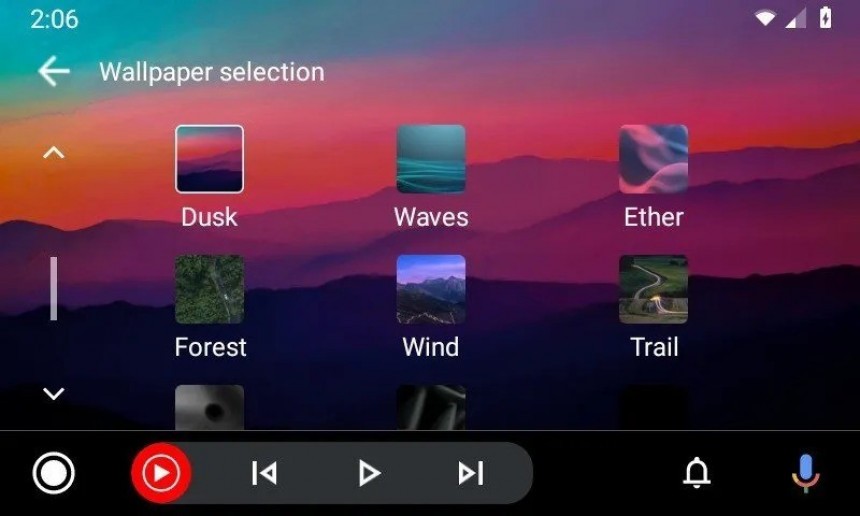
Photo: AndroidCentral
Unfortunately, Google and Apple do not share adoption figures for Android Auto and CarPlay. The battle behind the wheel is getting fiercer as the two tech giants want to expand beyond traditional markets and conquer the automotive space. Android Auto and CarPlay are key long-term offerings, so their adoption is strongly tied to the adoption of the operating systems that power them.
Apple should not ignore the competition coming from China. Samsung dominates the mobile space, but companies like Xiaomi and OPPO continue to gain market share in the domestic and international markets. Huawei is also recovering and considering its automotive products, as the company already offers advanced software for several new generation models in China, it could once again become a fierce rival.
The upcoming WWDC developer event in June will be a great opportunity to glimpse Apple’s long-term automotive ambitions, but with 2024 becoming the year of Android, Android Auto is no longer just an alternative, but a full-featured solution ( and very attractive). rival.
#year #Android #Android #Auto #CarPlay